The “Times Newspaper” ran the story of local Councillor Tony Slater who whilst litter picking his local area found a discarded McDonald's packaging.
Within the packaging a receipt was found and with the help of McDonald's the purchasers of the food could be traced to a house close by. By bringing this act of environmental vandalism to the Authorities notice the perpetrators were given £500 fines.
Littering is a huge issue for the UK with over 2 million pieces of litter thrown each year impacting our towns and roadsides. Despite extensive powers only a limited number of Local Authorities issue penalties for littering relying on local citizens to police their areas. To combat this evasive scourge of the environment we need systemic change not the same tired and limited approach.
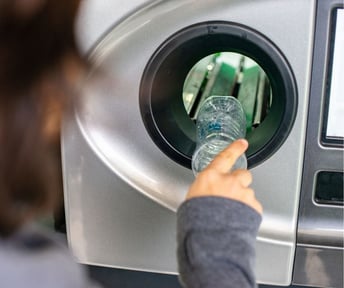
This is where the introduction of the Deposit Return Scheme (DRS) “Exchange for Change” can play a significant role. By monetising the exchange of plastic bottles and steel/aluminium drinks containers, littering is seen to reduce quickly. In Ireland where the “Return” DRS scheme was launched over a year ago littering has already shrunk by over 50%.
This trend of self-policing by the public is also evident for the growing issue of illegal waste dumps which represent the end of the process for the £1 Billion waste crime industry. On every occasion it is residents who are forced to fight for the assistance of the Authorities which are responsible for preventing this damage. Such is the sensitivity that the issue has reached Prime Minister’s Questions time, and a Lords select hearing which rounded on the Environment Agency (EA) for not doing sufficient to stop sites developing when notified.
Like DRS, waste crime needs a change of approach as doing the same thing year in year has proven not to work. The EA needs the full introduction of “digital waste tracking” to track the routes from producer to transfer stations/processing sites to final treatment. Its introduction has been delayed for years at our cost.
Arrests may have been recently made for the Kiddlington site, but the perpetrators will receive small custodial sentences at best and pitiful fines way below the gains of their criminal activity. Focusing on the end of the criminal activity is the wrong approach, identifying and prosecuting the companies/individuals who provide these criminals with the waste could be a more effective method to prevent this activity gaining traction.
Conclusion
What I know is that doing the same thing and expecting a different result is insanity. So, time to alter the way we tackle the issue and stem the flow from the producers themselves.
David Palmer-Jones

.jpg?width=352&name=Legislation%20Shaping%20the%20Future%20of%20C%26I%20Waste%20Part%20Two%20-%20Waste%20tracking%20%26%20Landfill%20Tax%20(2).jpg)